B2 Spirit: The Stealth Bomber Explained
- B2 Spirit: A Glimpse into the World of Stealth
- Revolutionary Design and Stealth Technology
- Operational History and Key Missions
- The Cost of Supremacy: Acquisition and Upkeep
- Current Role and the Future of Strategic Stealth
- Understanding the Enduring Power of the B2 Spirit
The B2 Spirit is among the most mysterious and awe-inspiring aircraft ever created. My fascination with aviation history, especially the leaps in technology driven by strategic needs, naturally led me to explore the incredible engineering behind this stealth bomber. It’s more than just a plane; it’s a symbol of technological dominance and strategic reach. In this article, we’ll delve into the world of the B2 Spirit, uncovering its secrets, exploring its impact, and understanding why it remains relevant today, decades after its first flight.
Revolutionary Design and Stealth Technology
What truly sets the B-2 Spirit apart is its revolutionary flying wing design, which contributes significantly to its low observable characteristics. Developed by Northrop Grumman, this design minimizes radar cross-section, heat emissions, and noise, making it incredibly difficult to detect. When you see photos of it, it almost looks alien, doesn’t it? That unique shape isn’t just for aesthetics; it’s a masterclass in aerodynamic and stealth engineering. This design wasn’t easy to perfect; early tests and wind tunnel experiments were crucial in refining the shape to meet the stringent stealth requirements.
Beyond the shape, the materials used are equally critical. The B-2 incorporates advanced composite materials that absorb radar energy rather than reflecting it. Combine this with specialized coatings and paints, and you have an aircraft that can slip through enemy airspace virtually unnoticed. Think of it like trying to see a black cat in a dark room – the B-2 is designed to blend into the electromagnetic ‘noise’ of the environment. The internal structure also avoids large, radar-reflective surfaces, and even the engine exhausts are designed to minimize heat signatures detectable by infrared sensors. It’s a holistic approach to stealth that was unprecedented at the time of its conception.
Of course, stealth isn’t just about being invisible to radar; it’s about being undetectable by all means. The B-2 Spirit utilizes sophisticated electronic countermeasures and passive detection systems. Its communications systems are designed for low probability of intercept/detection (LPI/LPD), meaning they’re hard to listen in on or pinpoint. Navigating without traditional radar (which would give away its position) requires advanced systems like the Differential GPS-Aided Targeting System (DAGR), allowing for pinpoint accuracy in bomb delivery even from high altitudes and without clear visibility. It’s a complex interplay of design, materials, and electronics working in concert.
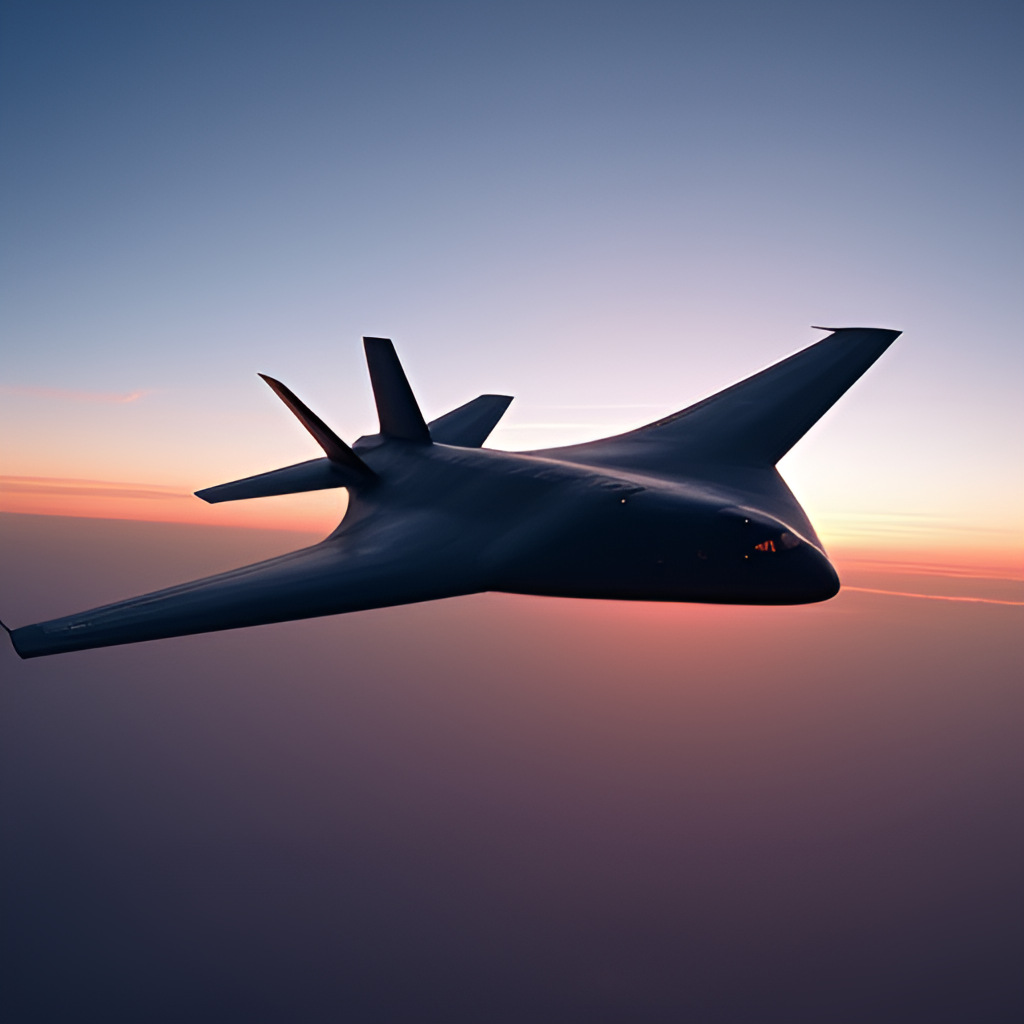
This image is a fictional image generated by GlobalTrendHub.
Operational History and Key Missions
The B-2 Bomber first saw combat action during the Kosovo War in 1999. It flew non-stop missions from Whiteman Air Force Base in Missouri to strike targets in Serbia, a journey that highlighted its incredible range and capability to project power globally. These missions were grueling, requiring multiple aerial refuelings and involving pilot crews working in shifts within the cockpit. Imagine being in a plane for over 30 hours straight! It truly demonstrated the strategic value of a long-range stealth platform that could strike deep within contested territory without needing forward bases.
Following Kosovo, the B-2 Spirit played significant roles in Operation Enduring Freedom in Afghanistan and Operation Iraqi Freedom. In these conflicts, its ability to deliver precision-guided munitions, including bunker busters, was critical for targeting deeply buried or hardened command centers and infrastructure. The stealth capability meant it could operate in environments where non-stealth aircraft would face unacceptable risks from advanced air defense systems. This strategic flexibility is a key part of its value proposition.
One notable aspect of its operational use is the demonstration of its ability to deliver a wide range of ordnance, from conventional bombs like the Joint Direct Attack Munition (JDAM) to potentially nuclear weapons. While its nuclear role is a core part of its design as a strategic bomber, its conventional precision strike capability has been its primary use in recent conflicts. This dual capability underscores its importance in the U.S. strategic arsenal, providing both deterrence and decisive strike options.
“The B-2 is the most survivable aircraft in the world. It provides the warfighter the ability to penetrate the most sophisticated defenses and hold at risk an enemy’s most valuable targets.” – Former Secretary of the Air Force, Dr. James G. Roche (referencing the aircraft’s unique capabilities).
The Cost of Supremacy: Acquisition and Upkeep
There’s no getting around it: the B2 Spirit is incredibly expensive. With only 21 aircraft ever built (out of an originally planned 132), the program’s total cost was staggering. When considering research, development, procurement, and upgrades, estimates place the cost per aircraft in the range of $2 billion, making it one of the most expensive military aircraft ever produced. This eye-watering price tag was a significant point of controversy during its development and led to the reduced production run. Critics often questioned whether the strategic advantage justified the immense financial investment, especially as the perceived threat from the Soviet Union diminished.
The cost doesn’t stop after acquisition. Maintaining the B-2 Bomber’s stealth characteristics requires specialized hangars and climate-controlled environments. The radar-absorbent materials and coatings need meticulous care and frequent inspection. It’s not something you can just park on the tarmac like a conventional bomber. This specialized maintenance adds considerably to the operational cost per flight hour, which is significantly higher than that of non-stealth aircraft. This high cost of ownership means the B-2 fleet is managed very carefully, deployed strategically, and not used for everyday bombing missions.
Despite the high costs, proponents argue that the unique capabilities of the B-2 Spirit justify the investment. Its ability to penetrate heavily defended airspace undetected offers a strategic option that no other aircraft in the inventory can provide with the same level of effectiveness. In a world where potential adversaries are developing more advanced anti-access/area denial (A2/AD) capabilities, the B-2’s stealth and range remain critical for ensuring the U.S. military can hold targets at risk anywhere on the globe. You could say it’s the ultimate ‘insurance policy’ for maintaining air superiority and strike capability in the most challenging scenarios.
This image is a fictional image generated by GlobalTrendHub.
Current Role and the Future of Strategic Stealth
Today, the B-2 Spirit continues to be a cornerstone of the U.S. Air Force’s long-range strike capabilities. It operates as part of the nuclear triad and provides conventional global strike power. Its primary base remains Whiteman AFB, Missouri, where the 509th Bomb Wing operates the fleet. While the fleet is small, its strategic importance is immense, acting as a powerful deterrent and a first-strike option against sophisticated defenses. Training exercises and occasional deployments ensure the crews and aircraft remain ready for rapid global deployment.
With the fleet aging, the future of strategic stealth bombing is transitioning to the B-21 Raider, also being developed by Northrop Grumman. The B-21 is designed to incorporate lessons learned from the B-2 Spirit program, aiming for even greater stealth, lower operating costs, and enhanced flexibility. It’s intended to eventually replace both the B-1 Lancer and the B-2, carrying forward the legacy of long-range, survivable strike. The first B-21 has already been unveiled, marking the next chapter in stealth aviation.
However, the B-2 isn’t going away tomorrow. It’s expected to serve alongside the B-21 for a period, leveraging its unique capabilities until the Raider fleet is fully operational and tested. My personal take? The B-2, despite its age and cost, represents a peak in aviation engineering for its era. It pushed boundaries and defined what was possible with stealth technology. It’s a testament to ambitious design and the pursuit of strategic advantage through technological superiority. Its legacy will undoubtedly inform the development and operation of stealth platforms for decades to come, securing the future of strategic bomber operations.
- The B-2’s radar cross-section is estimated to be about the size of a small bird or large insect, despite the aircraft’s massive size.
- It can carry up to 40,000 pounds of ordnance, including 80 x 500 lb JDAMs.
- A typical long-duration mission requires a crew of only two pilots.
- The B-2 is capable of flying at altitudes up to 50,000 feet.
For more technical details on the B-2’s performance, you can check out the official U.S. Air Force Fact Sheet. To understand the broader context of stealth technology in modern warfare, a resource like this overview from the RAND Corporation can be very insightful.
Understanding the Enduring Power of the B2 Spirit
In conclusion, the B-2 Spirit is far more than just an expensive aircraft; it’s a strategic asset that reshaped military aviation. Its unparalleled stealth capabilities, global reach, and precision strike options have made it invaluable in post-Cold War conflicts and continue to serve as a powerful deterrent. Having followed its development and operational history from afar, I appreciate the sheer audacity of its design and the technological challenges overcome to bring it to life. The B2 Spirit stands as a monument to human ingenuity in the pursuit of strategic advantage, securing its place in history as one of the most remarkable aircraft ever to grace the skies, or perhaps more accurately, disappear within them. Its legacy will continue through the B-21 Raider, ensuring that the spirit of stealth endures.